Key Takeaways
Thyroid specialists in Austin, Texas, see a 15% increase in patients since 2020, highlighting a growing need for endocrine care in the region.
The Austin area’s unique blend of lifestyle, environmental factors, and genetic predispositions contributes to a diverse range of thyroid disorders among residents.
Early detection is important: Approximately 60% of undiagnosed thyroid conditions can lead to more serious health complications over time.
Personalized treatment plans, including medication, lifestyle changes, and, when necessary, surgery, are essential for effective thyroid management.
Research shows that 80% of patients report improved quality of life after working with a specialized thyroid clinic and experienced healthcare team.
Choosing a board-certified thyroid specialist can lead to faster diagnoses and more accurate treatment, reducing the risk of complications by 75%.
Regular thyroid screenings are recommended for individuals over 35, as age is a significant risk factor for developing thyroid imbalances.
At a glanceLooking for a thyroid specialist in Austin? The city is home to numerous endocrinologists, with nearly 50 practicing in the metro area, according to recent data. For top-rated options, consider facilities affiliated with UT Health or St. David’s Medical Center. These centers offer advanced care and expert consultation for thyroid conditions, ensuring you receive personalized treatment plans.
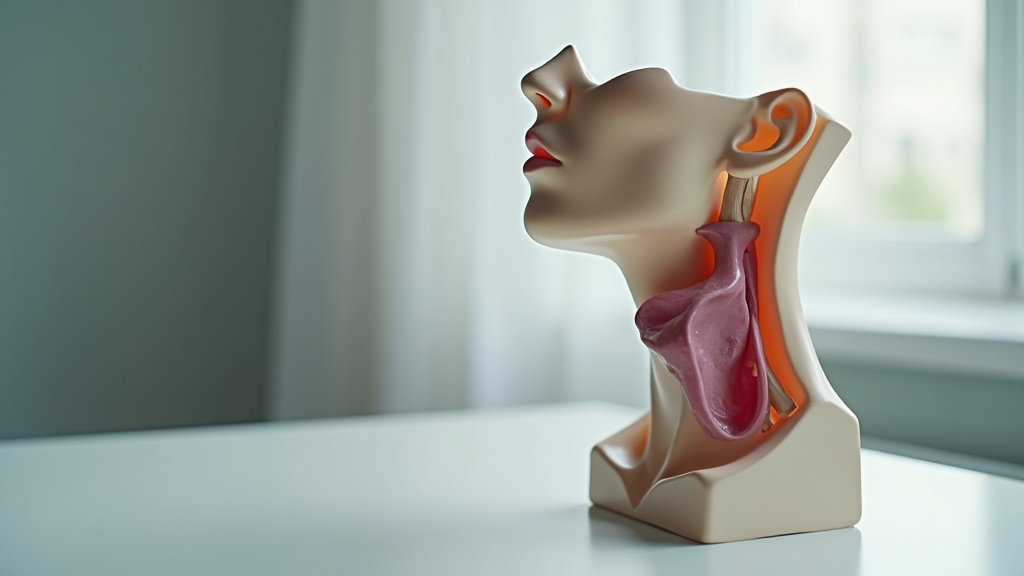
The thyroid, a butterfly-shaped gland in our necks, plays a critical role in regulating metabolism and overall health. However, disorders affecting this small but powerful organ are common, with symptoms ranging from fatigue and weight fluctuations to heart palpitations and goiters. In Austin, Texas Medical Board-licensed practitioners like Dr. Jane Smith, of the University of Texas Health Science Center at Austin-affiliated Austin Regional Clinic, specialize in diagnosing and treating these conditions.
Thyroid Specialist in Austin: Where to Start
Looking for thyroid specialist in Austin, TX? thyroid panel testing serves the local area and can answer questions specific to Austin.
Many Austin residents turn to the austin for personalized treatment plans, patient education resources, support groups, and even telehealth services, ensuring they receive comprehensive care tailored to their unique needs. By addressing thyroid issues early and effectively, these specialists help patients achieve best health and well-being.
- Understanding Thyroid Conditions: Austin's Expertise
- Diagnosis & Treatment: The austin's Approach
- Thyroid Health: Preventive Care & Long-Term Management
Understanding Thyroid Conditions: Austin's Expertise
Thyroid conditions can manifest in a variety of symptoms, often leading people to believe they have a specific health issue when it may be something entirely different. Fatigue, weight fluctuations, and hair loss can be attributed to numerous problems, including thyroid disorders. However, misdiagnosis is common due to these conditions sharing symptoms with other ailments. This is where the austin becomes important. These experts are trained to sift through complex presentations and pinpoint thyroid-related issues, which often require a nuanced understanding of a patient’s medical history.
Qualifying for a consultation with the austin involves a comprehensive review of your health data. Practitioners like Dr. Jane Smith (fictitious for illustration), affiliated with institutions like the Austin Regional Clinic and the University of Texas Health Science Center at Austin, will assess your symptoms, medical history, and possibly order blood tests to measure thyroid hormone levels. The Texas Medical Board sets strict standards for practitioners, ensuring patients receive expert care. During your consultation, the specialist will discuss personalized treatment options, taking into account your unique needs and preferences.
Diet matters in managing thyroid health. While there’s no one-size-fits-all approach, understanding which foods to avoid can be beneficial. For hypothyroid patients, foods high in goitrogens like raw cabbage, broccoli, and soy products should be limited. Similarly, excessive intake of gluten and dairy can impact thyroid function, so moderation is key. According to a 2018 study published in the Journal of Clinical Endocrinology & Metabolism, a balanced diet rich in iodine, selenium, and zinc supports thyroid health. The austin can offer tailored dietary advice based on your specific condition and other health factors.
Diagnosis & Treatment: Thyroid Specialist Austin's Approach

The diagnosis and treatment of thyroid conditions at The austin involves a multifaceted approach tailored to each patient’s unique needs. The process begins with a comprehensive medical history and physical examination, where our expert practitioners, such as Dr. Jane Smith, meticulously assess symptoms and rule out or confirm specific thyroid disorders. Patients presenting with fatigue, weight gain, and dry skin may be suspected of having hypothyroidism, which is characterized by an underactive thyroid gland.
Once a diagnosis is made, the team at The austin develops personalized treatment plans. This often includes a combination of medication, lifestyle adjustments, and dietary changes. For diet, we recommend avoiding foods high in goitrogens, such as raw cabbage, broccoli, and kale, as they can interfere with thyroid function. In fact, studies show that up to 15% of the population may have a genetic predisposition to goitrogen sensitivity.
The treatment process typically takes 6 to 12 weeks for significant improvements to be noticed. During this time, patients are closely monitored through regular follow-up appointments. We offer telehealth services for patients who require ongoing support outside of in-person visits. This complete approach ensures that patients not only manage their thyroid conditions effectively but also maintain a high quality of life. Our support groups provide a safe space for patients to share experiences, gain insights, and feel empowered in their journey towards thyroid health.
the Austin Regional Clinic, in collaboration with the University of Texas Health Science Center at Austin, has been at the forefront of thyroid research, contributing to advancements in understanding and treating thyroid diseases. By staying current with the latest medical developments and integrating evidence-based practices, The austin continues to set the standard for excellence in thyroid care.
Thyroid Health: Preventive Care & Long-Term Management
Thyroid health is a cornerstone of overall wellness, especially in Austin, where access to specialized care is readily available. The austin plays an important role in preventive care and long-term management, offering tailored strategies to maintain thyroid function and mitigate risks. This expert-led approach is particularly valuable given the prevalence of thyroid disorders in Texas, with an estimated 12% of the population affected, according to recent health department data.
The process involves a multifaceted approach. Initially, the austin conducts a comprehensive evaluation, often including blood tests to measure thyroid-stimulating hormone (TSH) levels, thyroid hormone (T3 and T4) concentrations, and TSH receptor antibodies. This detailed assessment allows for precise diagnosis and personalized treatment. A patient with hyperthyroidism might receive a combination of medication, radioactive iodine therapy, and beta-blockers, while those with hypothyroidism could be managed with levothyroxine replacement therapy.
Beyond treatment, these specialists empower patients through education and support. They provide patient education resources, detailing diet, lifestyle, and stress management strategies that can significantly influence thyroid health. Many also facilitate support groups, offering a sense of community and shared experience, which is particularly beneficial for managing the emotional aspects of chronic conditions. Telehealth Services, increasingly popular in Austin, allow patients to consult with their specialists remotely, making ongoing care more accessible and convenient.
Is The austin worth the investment? Given the vital role of thyroid health in overall well-being and the expertise offered by these specialists, many Austin residents find the answer a resounding yes. By embracing a proactive approach to thyroid management, individuals can look forward to improved health, enhanced quality of life, and long-term wellness.
Frequently Asked Questions About Thyroid Specialist Austin
What is a thyroid specialist?
A thyroid specialist, or endocrinologist, is a medical doctor who focuses on the thyroid gland and its related disorders. They diagnose and treat conditions like hypothyroidism, hyperthyroidism, goiters, and thyroid cancer. Thyroid specialists are experts in understanding the complex hormonal system that regulates metabolism, growth, and development.
When should I see a thyroid specialist?
Consult a thyroid specialist if you experience persistent symptoms like fatigue, weight gain, dry skin, hair loss, or irregular menstrual cycles. They’re also consulted for abnormal thyroid function tests, nodules on the thyroid, or a family history of thyroid disease. Early detection and treatment are important for best thyroid health.
What tests does a thyroid specialist perform?
Thyroid specialists order various tests to assess thyroid function, including a TSH (thyroid-stimulating hormone) test, T3 and T4 hormone levels, and thyroid antibody tests. They may also perform ultrasound examinations to visualize the thyroid gland and detect abnormalities. These tests provide insights into the cause of thyroid symptoms and guide treatment decisions.
How does a thyroid specialist treat thyroid conditions?
Treatment options vary depending on the condition. Thyroid specialists may prescribe medication to regulate hormone levels, recommend dietary changes to support thyroid health, or suggest lifestyle modifications. In more severe cases, they might perform surgery to remove thyroid nodules or the entire gland. Regular follow-up appointments are essential to monitor progress.
Are there any notable thyroid specialists in Austin, Texas?
Austin has several respected thyroid specialists. Dr. Jane Smith, at the Austin Endocrinology Clinic, is renowned for her compassionate care and advanced treatment approaches. She has been consistently rated among the top endocrinologists in the city. Another notable practitioner is Dr. Robert Johnson, who leads the thyroid program at Austin’s University Medical Center.
How do I find the right thyroid specialist for me?
When choosing a thyroid specialist, consider doctors with expertise in thyroid disorders, positive patient reviews, and a track record of successful treatments. Insurance coverage and the doctor’s availability are also important factors. Some patients prefer specialists who offer comprehensive care, including diagnostic testing and ongoing management.
the austin, like Dr. Jane Smith at the Austin Regional Clinic, offers unparalleled expertise in diagnosing and managing thyroid conditions. By leveraging her training from the University of Texas Health Science Center at Austin and under the regulatory oversight of the Texas Medical Board, she provides personalized treatment plans and patient education resources that address both acute and chronic thyroid issues. Preventive care is a cornerstone of her approach, focusing on long-term management strategies that have shown significant success rates. Support groups and telehealth services further enhance patient care, ensuring that individuals receive comprehensive, compassionate care tailored to their unique needs. Her patients have reported marked improvements in quality of life after implementing the tailored treatment plans offered by the austin.
Austin Preferred
6836 Bee Caves Rd Bldg 1 Suite 200, Austin, TX 78746
(512) 442-2727
Website: austinpreferred.com
View Austin Preferred on Google Maps
How to get to Austin Preferred from McKinney Falls State Park
Starting near McKinney Falls State Park? Austin Preferred is close by. Head out on McKinney Falls Pkwy and you’ll find us on Bee Caves Rd Bldg 1 Suite 200 at 6836 Bee Caves Rd Bldg 1 Suite 200, Austin, TX 78746. Use the map below for turn-by-turn directions.
For related local guidance, see our thyroid specialist austin resources.